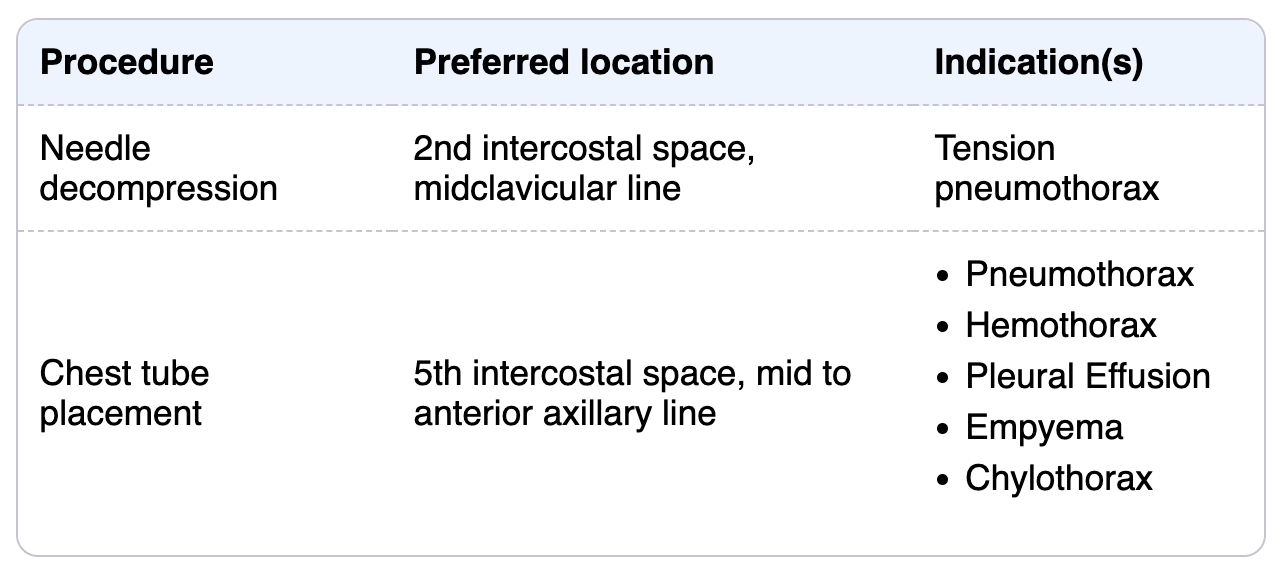
This week, we'll explore the latest clinical guidelines on pneumothorax, a condition characterized by the presence of air in the pleural space, which can lead to partial or complete lung collapse. Accurate diagnosis is critical and involves patient history, physical examination, and imaging studies such as chest X-rays or CT scans.
Symptoms like sudden chest pain and shortness of breath, along with physical signs like diminished breath sounds, guide initial assessments. Pneumothorax can be classified as spontaneous (primary or secondary), traumatic, or iatrogenic, each requiring a tailored approach based on underlying causes and patient presentation.
Management strategies vary depending on the severity and type of pneumothorax. For small, asymptomatic cases, observation and supplemental oxygen may suffice, while more significant cases may require needle aspiration, chest tube insertion, or surgery. Recent guidelines emphasize the importance of individualized treatment plans and the growing role of minimally invasive procedures in effectively managing pneumothorax, particularly in recurrent or persistent cases.
Guidelines on the evaluation and management of pneumothorax are from the European Association for Cardio-Thoracic Surgery (EACTS/ERS/ESTS 2024), the European Reference Network on GENetic TUmour RIsk Syndromes (ERN GENTURIS 2024), and the British Thoracic Society (BTS 2023), among others.